Google Ads for a Birmingham shop
What a shop with a door should and should not pay for
Search, Shopping and local inventory ads for a Birmingham shop with a door: which searches are worth paying for, which are not, and what to set up first.
Written by Daniel Stoychev, who runs the accounts · 5 September 2026 · about 9 minutes
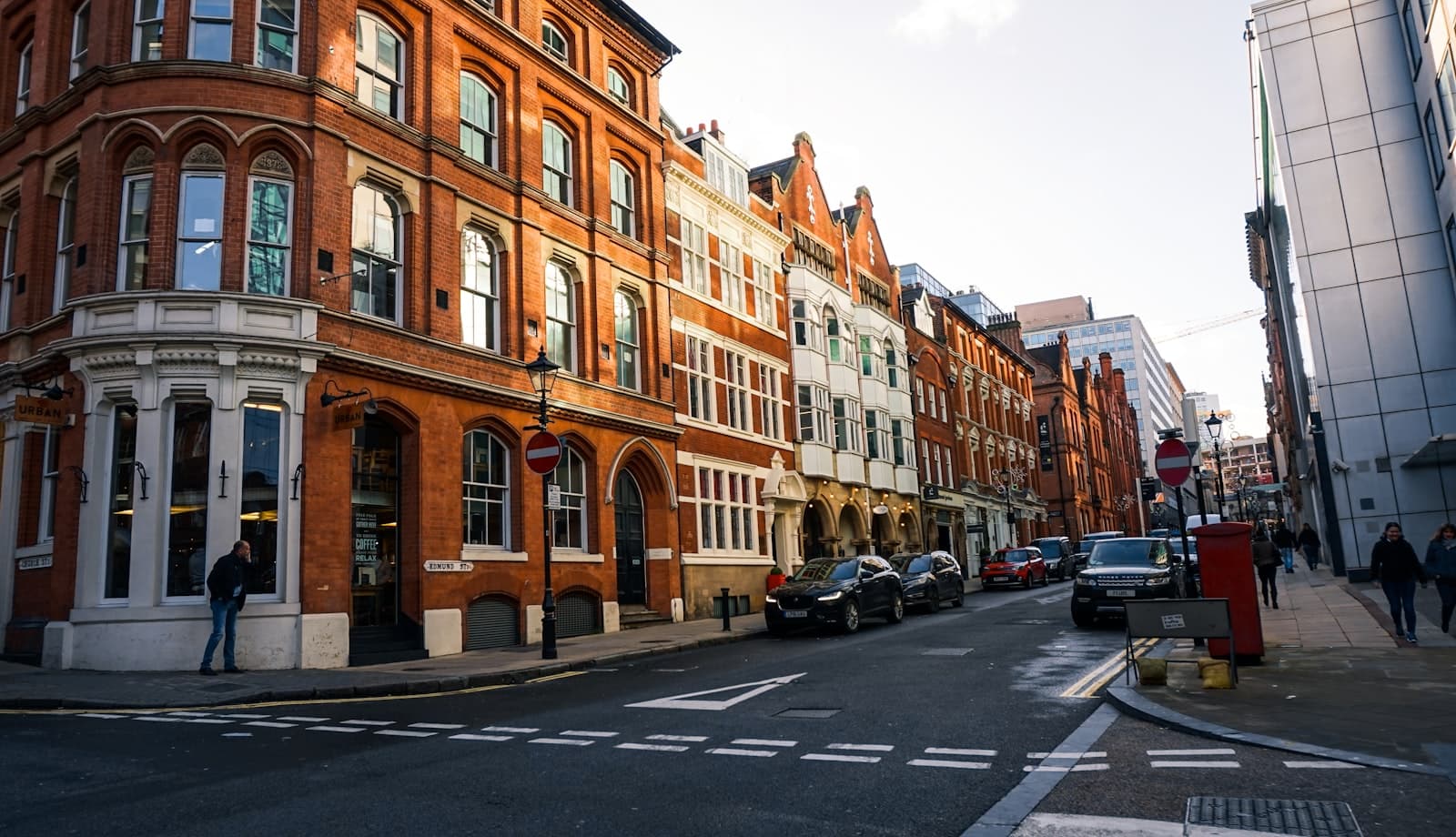
A Birmingham shop with a door and a till should pay for the searches that name a product it stocks and the searches that name the thing it is known for, and should not pay for its own name, for "shops near me", or for anything the map pack already gives it for nothing. The tools for a physical shop are different from an online store's: local inventory ads that show the item is in stock two streets away, a Search campaign for the products and the services, and a Google Business Profile the ads can point at. This guide is the version for the jeweller on Vyse Street, the bike shop in Kings Heath and the homeware shop in Moseley, not for a warehouse.
What the map pack already does for free
Search "bike shop Kings Heath" on a phone and the first thing on the screen is the map pack: three shops with their ratings, hours and a directions button. A shop with a complete Google Business Profile and honest reviews is in it without paying anything, and a paid ad above it for the same search competes with the shop's own free listing. So the first job is not an ad at all: the profile, with the hours right, the products listed and the photographs real. The ads then buy the searches the profile cannot win.
Six things to set up before the first pound
- A Google Business Profile that is complete and verified, because local inventory ads and location assets depend on it.
- A Merchant Center account with a product feed, even for a shop that does not sell online; a local feed is what tells Google what is on the shelves.
- Conversion actions for the things a shop can measure: calls over a minute, direction requests as a secondary action, store visits where Google can report them, and online orders if there are any.
- A landing page per product range, or the product page itself, that loads in under three seconds on a phone and shows the price, the stock and the opening hours.
- Negative keyword lists: the intent list, the sector's false friends, and the place names outside the shop's catchment.
- An ad schedule that matches the door: ads off when the shop is shut, unless the online store is the point.
Which searches to pay for
| The search | Pay for it? | Why |
|---|---|---|
| The name of a product you stock, with or without the city | Yes, through Shopping and local inventory ads | The searcher wants the thing; the ad shows it is in stock nearby |
| The thing you are known for: "vintage engagement rings", "electric bikes" | Yes, through Search, with a page per range | Specific, high value, and the shop's page can say what the map pack cannot |
| "Jewellers Jewellery Quarter", "bike shop Kings Heath" | Usually not | The map pack takes the click, and the shop's own free listing is in it |
| Your shop's name | Only if a competitor or a marketplace is bidding on it | Bidding on a search you already win pays Google for nothing |
| "Shops near me", "gifts Birmingham" | No | Vague, cheap-looking and almost never a sale |
| A repair or service you offer: "watch repair", "bike service" | Yes, through Search | The service searches are where a shop with a workshop beats an online store |
Local inventory ads, in plain words
A local inventory ad is a Shopping ad with a difference: instead of an add-to-basket button it shows the product, the price, an in-stock badge, the distance to the shop and the opening hours, and it opens a storefront page or the shop's own product page. It needs a local product feed in Merchant Center, a verified Google Business Profile linked to it, and for some categories a stock verification. For a shop in the Jewellery Quarter or on a high street the ad reaches the one searcher who matters: the person already nearby with a phone out, deciding where to walk. Set up properly, it is the single most useful thing Google Ads does for a physical shop.
The Birmingham calendar for a shop
Gift searches climb from early November and the Frankfurt Christmas Market fills the city centre with people until Christmas Eve, which is when local inventory ads earn their keep for a city-centre shop. January is sale and returns searches. For jewellers, engagement ring searches start in January and run through spring; for anything a student flat needs, the fortnight after term starts in September is a spike a flat budget misses. The budget is written the month before for each of these, and the report afterwards says what each cost and what it sold.
What a shop's report should show
Not clicks. Calls over a minute, direction requests, store visits where Google reports them, online orders with their values, and, from the shop, the till. The last line is the one that matters and the one only the shop can supply: did the week of the ad campaign sell more of the thing advertised than the week before? A shop that keeps that line for three months knows whether the ads work, and most agencies never ask for it.
A test before spending anything: search the three products you most want to sell, on a phone, standing in the shop. If a competitor's local inventory ad shows the product in stock a mile away and yours shows nothing, that is the gap, and it is the cheapest one to close.
When a shop should not advertise at all
A shop whose products are the same as every other shop's, at the same price, with no service attached and no online sales, has nothing for an ad to say that the map pack does not already say. Better to spend the money on the Google Business Profile, the photographs and the reviews, and revisit ads when there is a range, a service or a season worth naming. We say this in the reply to the quote form when it applies, because a shop that pays for clicks it did not need is a client for one quarter.
Follow-up questions
Can a shop without an online store use Google Shopping?
Yes, through local inventory ads, which show the product, the price and that it is in stock in the shop, with directions instead of a checkout. They need a local feed in Merchant Center and a verified Google Business Profile.
Should a Birmingham shop bid on "near me" searches?
Rarely. The map pack answers those for free, and a shop with a complete Google Business Profile is in it. Pay for product and service searches instead.
What should a shop count as a conversion?
Calls over a minute, direction requests as a secondary action, store visits where Google reports them, online orders with values, and the shop's own till figures for the range advertised.
When should a shop start Christmas campaigns?
Build them in October and let them spend from the first week of November, when gift searches start climbing. A campaign started in December has missed the run-up and is competing at the dearest time.
Is Google Ads worth it for a small independent shop?
When the shop has a range, a service or a season worth naming, yes, and the report shows what each sold. When it sells what every other shop sells at the same price, the money is better spent on the Google Business Profile first.